🪸MATUMAINI / ♾️
🌄✨


Wrapping up the series :


Last year, when I watched the U17 AFCON competition for the first time it was out of curiosity to end up seeing if I can find players. I actually value even more the first few flashes that get me to say “well there’s something there” before players actually deliver a Man of the Match performance.

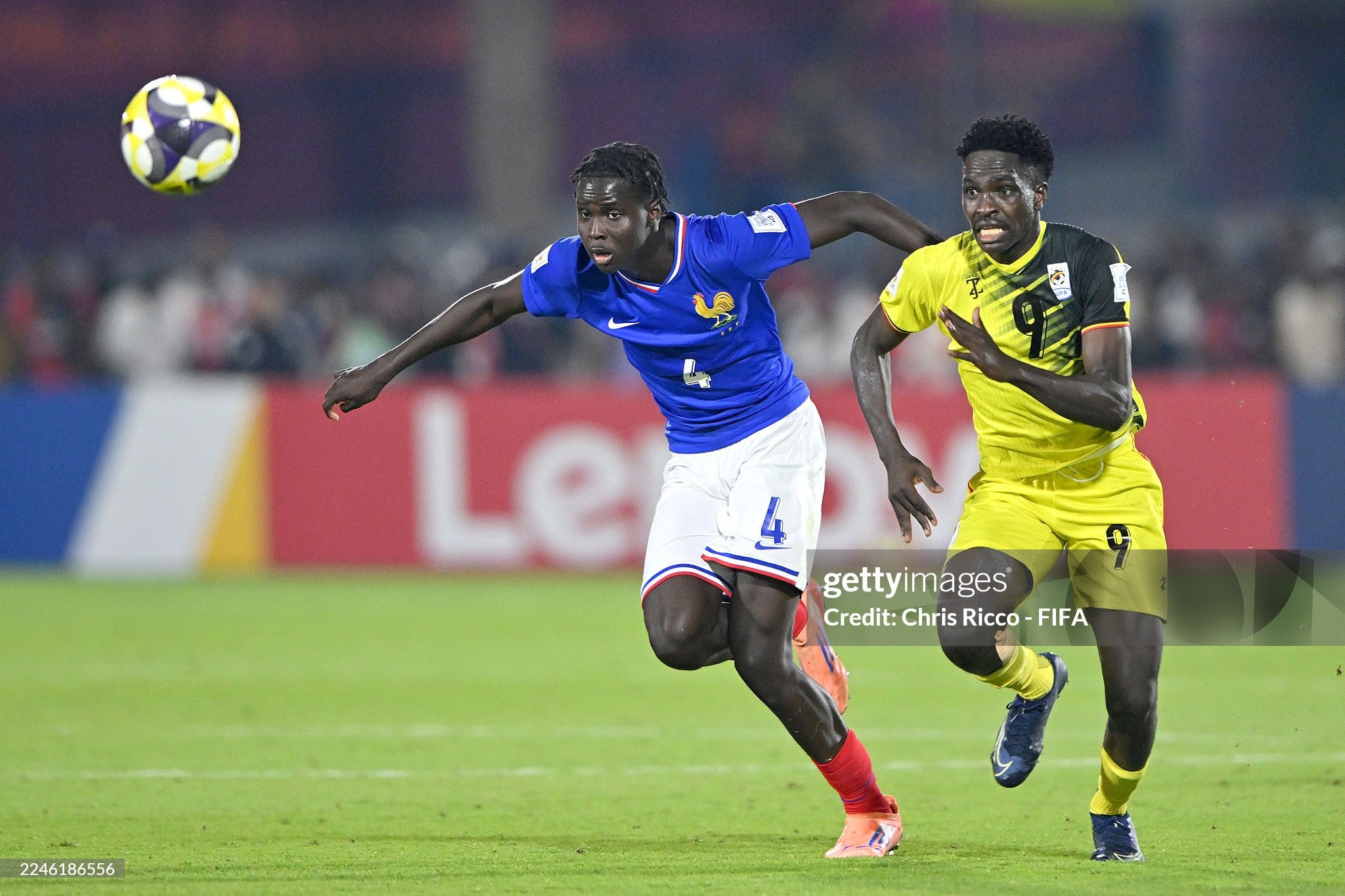
I wrote a bit on James Bogere, who’s now Danish Superliga champion after scoring vs France at the FIFA U17 World Cup
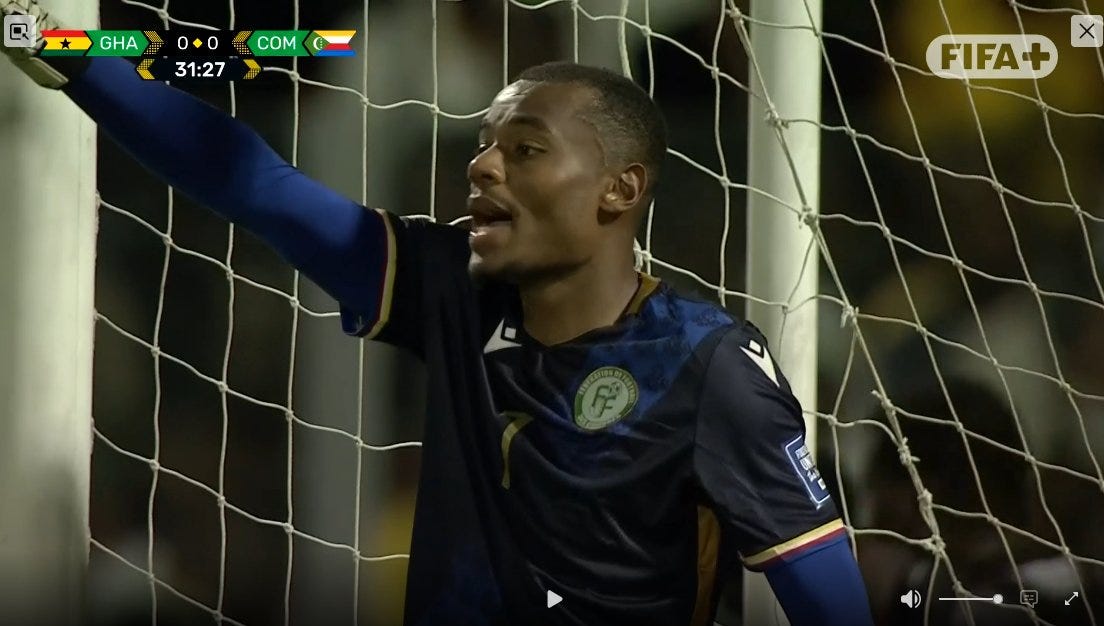
Also through Adel obviously, because my U15 Goalkeeper signed from Grassroots in 2018 ended up playing the FIFA World Cup Qualifiers for Comoros against Ghana and Mohamed Kudus, Jordan Ayew and Antoine Semenyo in 2025
I ended up keeping an eye on the COSAFA Cup and South-Eastern African football

Last summer I watched the COSAFA U20 / Region 5 Games and wrote a bit on Malawi.

This time, I wanted to watch the side of the draw and group stage I don’t quite know. Not heavyweights Senegal, Cote d’Ivoire, Morocco or Mali, but countries I’ve never seen before from a football standpoint.

I know Haji Mnoga plays Football League after a few years at Portsmouth and plays for Tanzania. Zech and Micah Obiero play for London-based clubs and Kenya.


Other than that, that series allowed me to gather, then inevitably expand my notes. Having no deadline to publish actually allows me to transform the last minute review in plenty of small contextual additions.
I rarely re-read through my long reads (I got through Academia like that anyway), but usually proofread shorter notes with more attention.
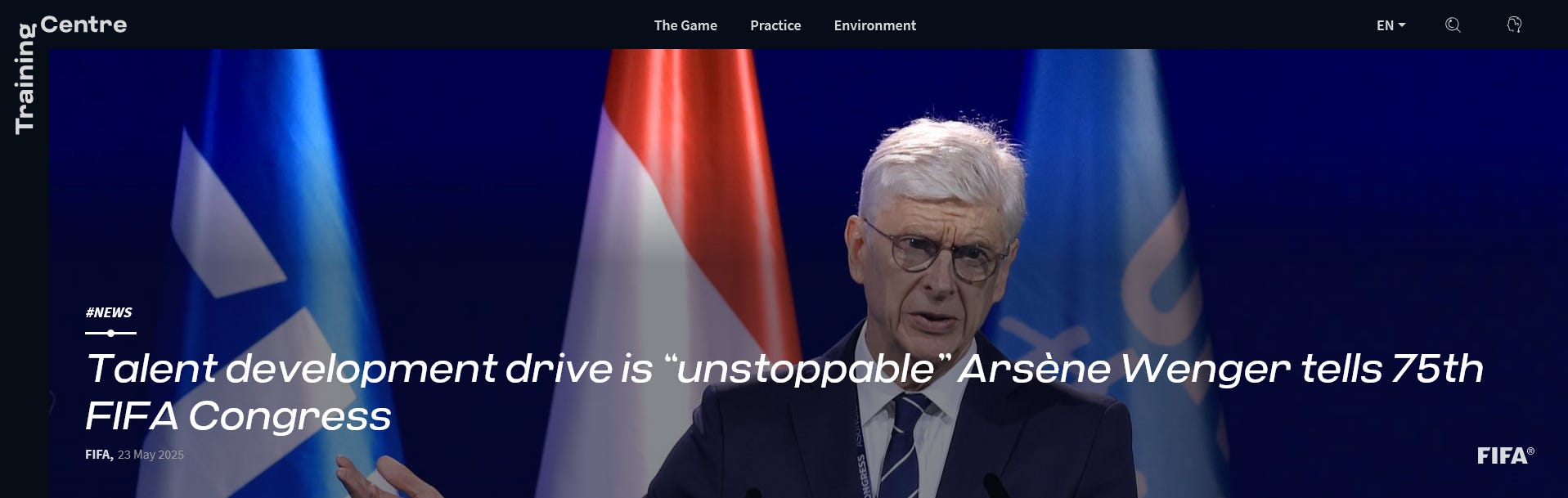
This is like a notepad to think out loud, I’ve learned a lot of elements about how football is organised in different federations ; the key one was to get to know more Arsène Wenger’s Talent Development Scheme funded by FIFA.
The next Senior CAF AFCON will take place in Kenya, Tanzania and Uganda
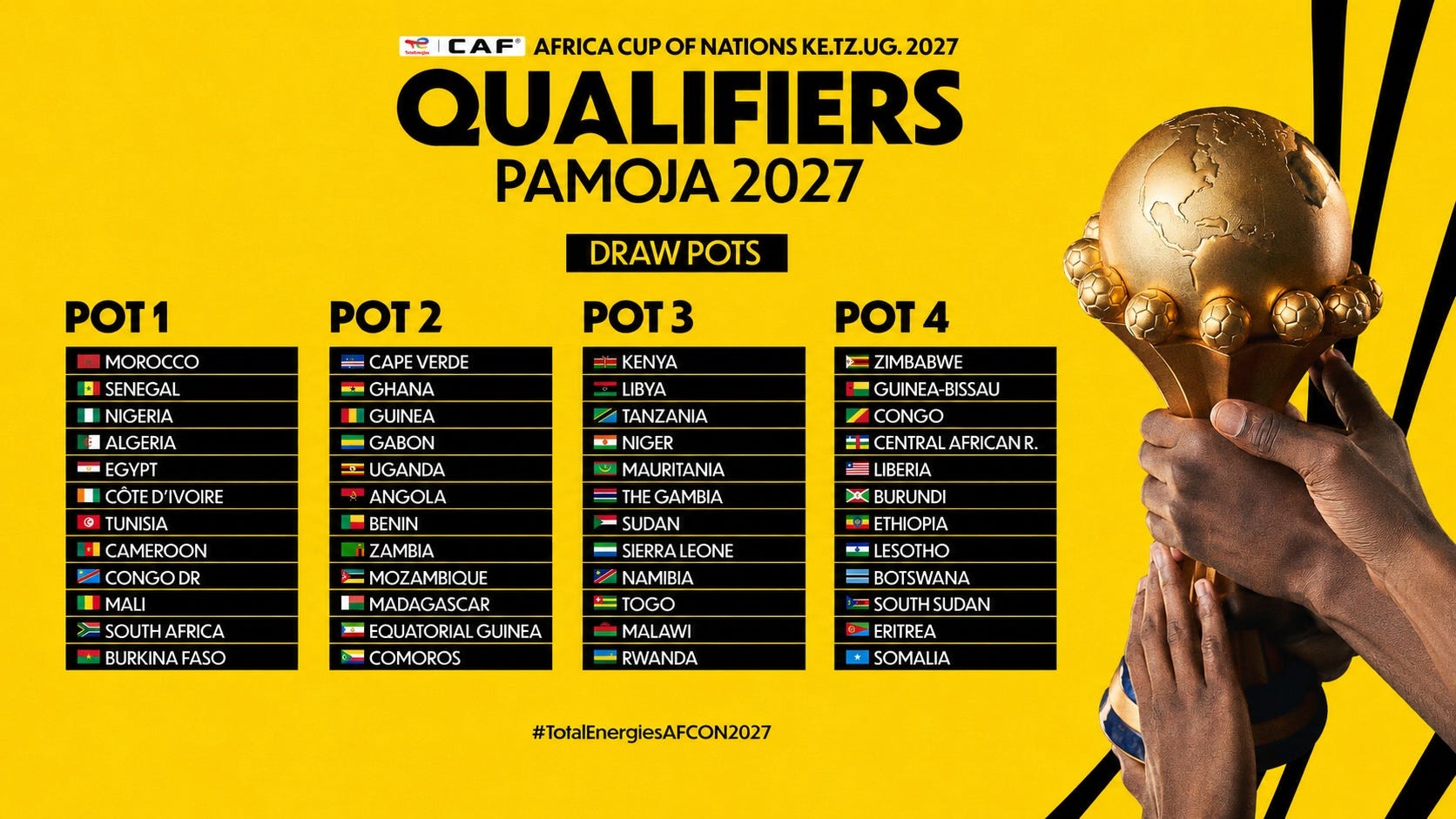
As always, a nice balance is healthy from a squad building standpoint, two thirds of legacy Federation trained players and a third of mavericks who find form and opportunity to reach the National Team can be a rule of thumb.
You can’t expect 100% players to have been called up at U16 level to end up making it into the first team. Hugo Ekitike or Olivier Giroud didn’t get any youth call-up, it happens even for the “big” countries.

I’m always a “cream rises to the top” kind of football observer ; talent will always find a way and sometimes the journey is more sinuous. But on the other hand, whoever does enough to get noticed gets a one liner, a call up, a distinction in the Qualifying phase and so on.
It’s been interesting to look back retrospectively on the Qualifying phase, which is kind of preparatory homework before having a look at finals.
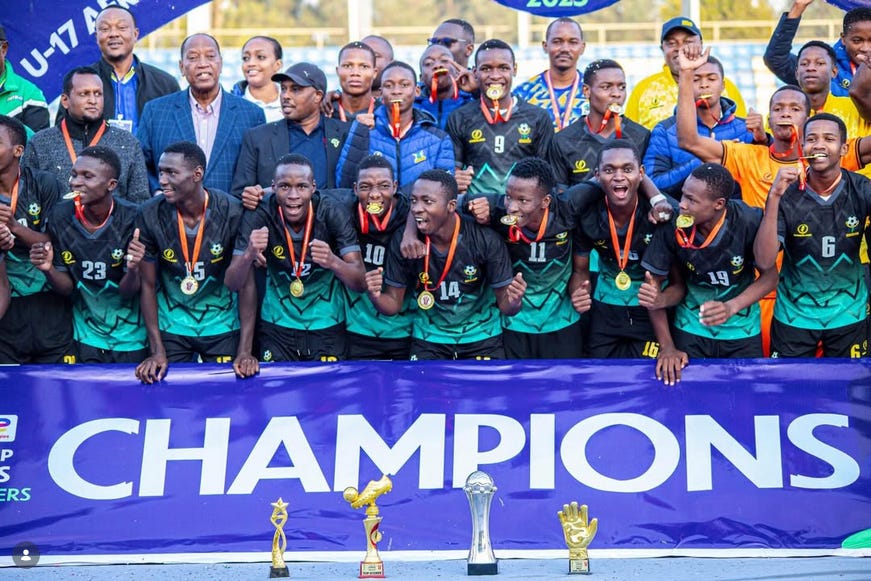
Tanzania won two CAF School Football Championships (U15-U16) in 2024 and 2025 including the latest one against Senegal.
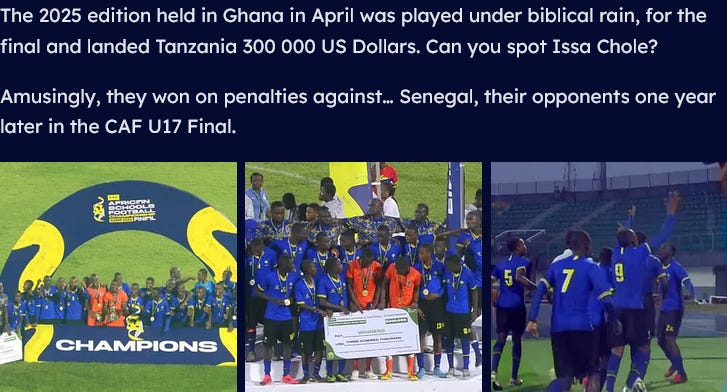
It was therefore a shock(apic) for whoever (me included) to figure out they’d reach the CAF U17 Finals, until I actually looked through the timelines and the implementation of the FIFA’s TDS supporting existing processes.
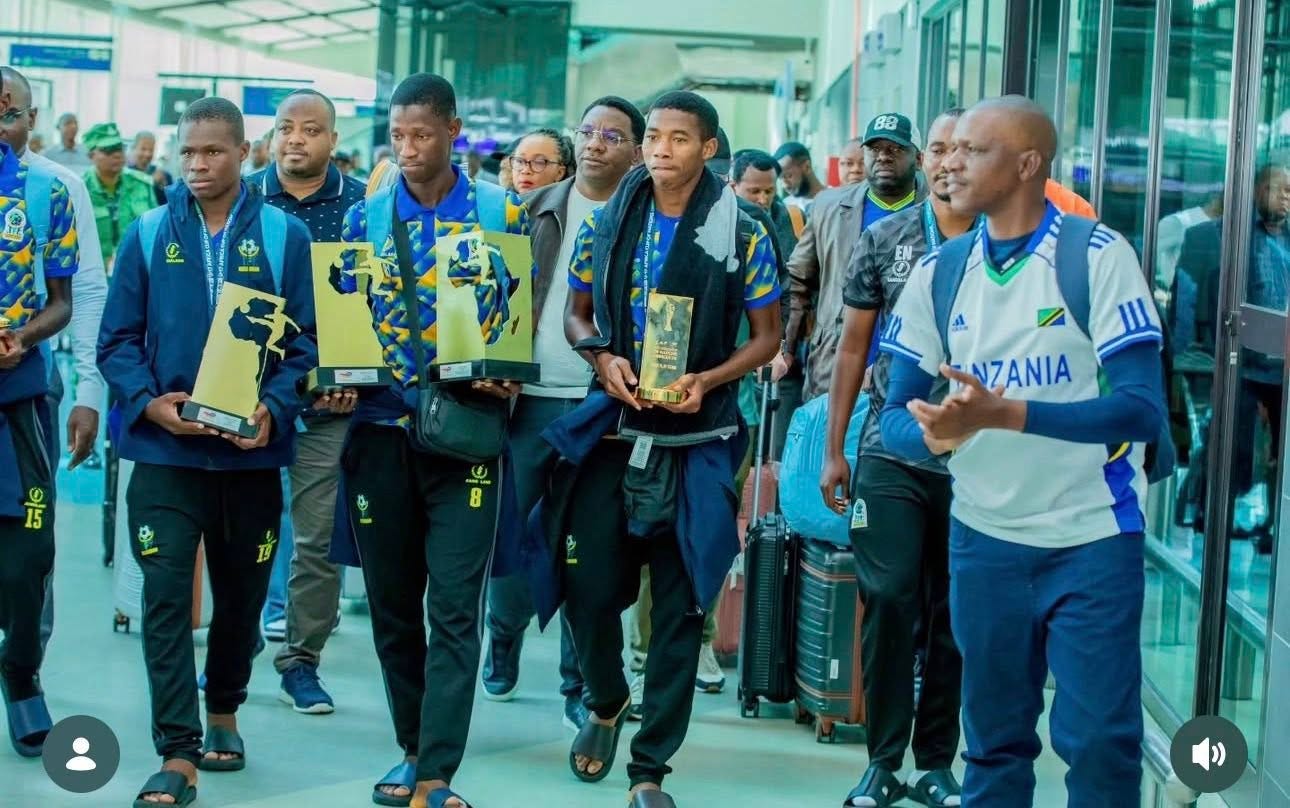
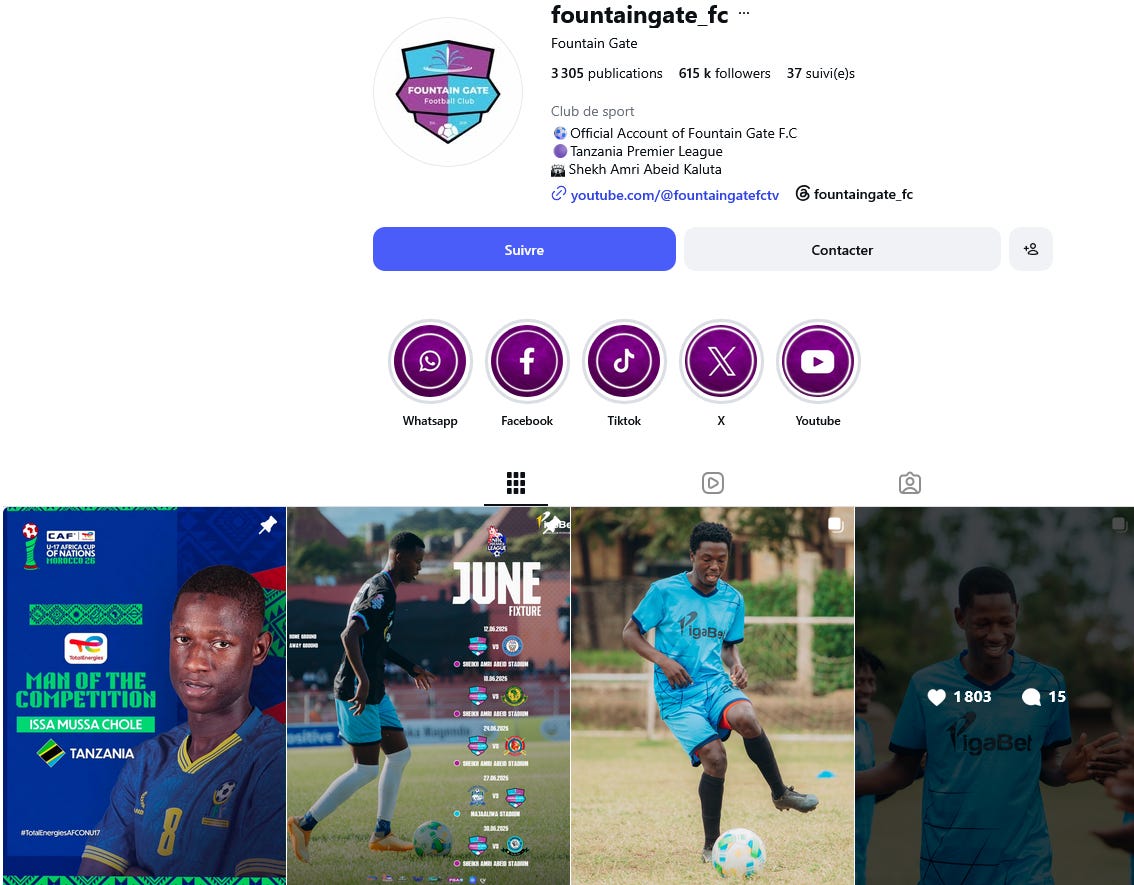
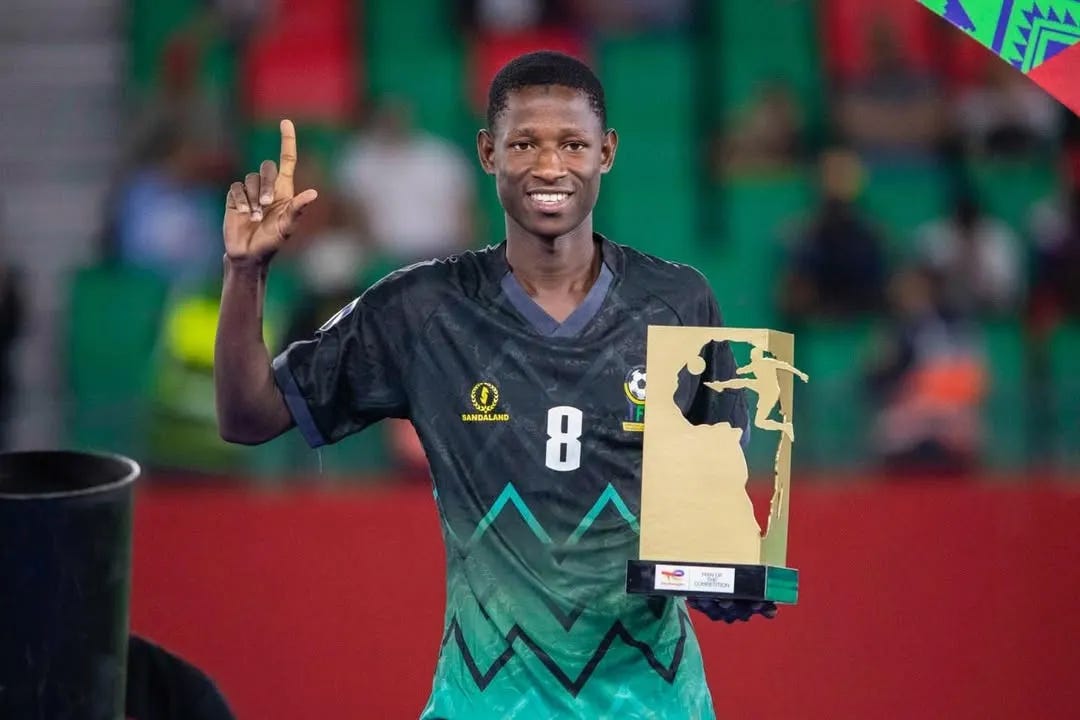
Player of the Tournament Mussa Chole comes from Fountain Gate club based in Dodoma - the capital of Tanzania


Who run an Elite Talent Program of their own :


There’s more elements to believe it’s the continuation of a good continued joint process between clubs and federation with FIFA’s support, that might down the line turn a 60 million inhabitant country - with an ongoing domestic situation taking a more authoritarian turn - into a football power able to compete in CAF / FIFA finals.

I saw a few tweets claiming Tanzania are tragic at Senior level.
Well, give it a bit of time that these generations can start making the step and it’ll be interesting to see how much they can challenge ever present nations.
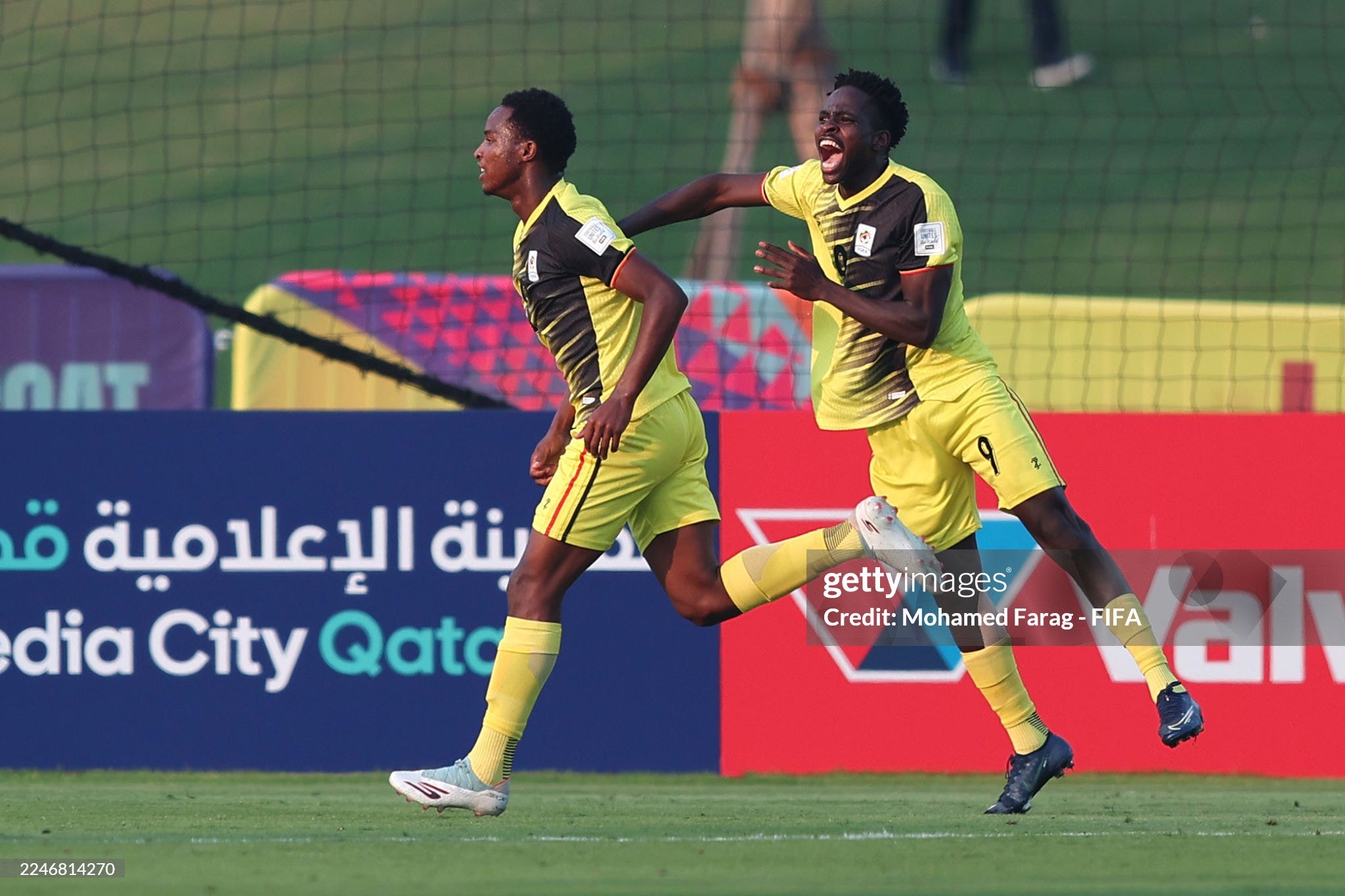
In the same sense these regional competions are the supporting phase to the age group World Cup. Uganda reached back to back U17 World Cup, which only five nations before them were able to. It doesn’t take forever.
3-6 years is the time it takes a U11 to become U17 ; there’s enough opportunities to strengthen talent screening, performance support, and player development.
Anyone provided with good conditions to do, will become a good player.
There is and will always be corruption, this is endemic to the human nature. The question isn’t so much whether it happens, hardcore or soft core, but how many stakeholders will actually display judgement to decide that this time it’s not worth it.
In other unrelated events, things that happened :
DR Congo was caught in a kickback scheme storm.
Morocco’s golden generation was handed on a silver plate to a Portuguese UEFA A coach whose career highlight is to coach Benfica’s U15’s “B” and “C” teams ; taking over Nabil Baha, who won the CAF U17 2025 and reached the FIFA U17 Finals but demoted to coach the U16s. Flush the process


Morocco finished 4th in their home tournament, and DR Congo scored none and conceded 5. Play stupid games, win stupid prizes.
It’s not a continent thing. To varying degrees of soft / hardcore corruption, the number of former professional players’ offspring in National Teams in some big countries somewhat peaks at U15-U16-U17 and dwindle afterwards. Is it lazy scouting? Thinking the best facilities provide short term gain for the fittest players at this point?
Same applies for removing qualified experienced coaches to give them to friends of the direction, whilst loophole-maxxing the regulations centred around required coaching qualifications.


In that sense, there’s hope the Memorandum of Understanding signed between UEFA and CAF at the end of April 2026 will “support the sustainable development of football across Europe and Africa.”
Talent screening is a challenge, and the system of incentives has substantial financiary outcomes from an audit, reputation, and budget standpoint to create many temptations.

The other elephant to address in these competitions is the number of stakeholders who consider age groups as a suggestion, as opposted to the actual regulation.
This is a wide and complex subject ; with different angles, none simple enough to be tackled immediately forever. There’s pressure to “make it” to create wealth, for players, their families but also external stakeholders : agents, intermediares, clubs etc…
The desperation is real and alternative scarce.
There’s room for a sensible discussion between accessing pathways in many fields (the Cotonou Agreement is a resource worth being aware of), sports included
Zooming out, some of it unquestionably stems from the delayed development of African nations (as a result of what, why and of whom) ; and as we zoom in, what represents blatant cheating in sporting competitions.
There’s grounds for sensible discussion in between : no, corruption isn’t endemic to Africa let alone age fraud. And yes the question centred around whether short term gain challenges long term perspectives can be asked.
There’ll always be what the paper says, and what the players say. Some birth certificates are genuinely gone missing, sometimes it’s a duplicata.
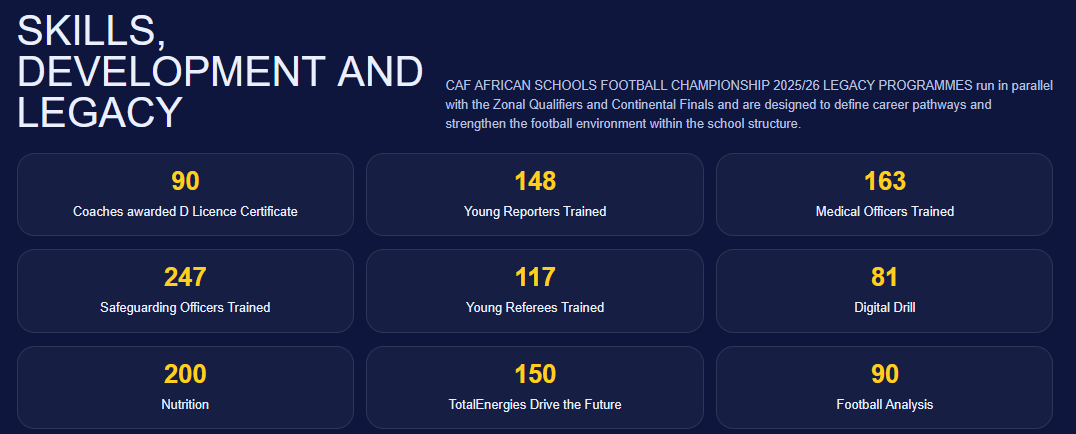
But as the CAF is also working to structure the performance departments around the game itself, there’s the hope competitions will move in the right direction.
The solution isn’t MRI of wrist bones cartilage (that give a window), or “is your hairline offside” but a more robust player performance pathway. So that it mitigates the probability to see an actual adult turning up in CAF School / U17 Tournaments for short term gain.
Elieneza Nsanganzelu has done a top job because Tanzania has been playing the ball, pressing on turnover and sharing the ball in attack, they’ve also won the Fair Play trophy. Their team has been extremely insightful for whoever wants a picture of where a good development timeline stands with some genuine background work, create a culture and getting players ready for the top level - and making it to the final of a tournament isn’t a fluke (especially from that generation).
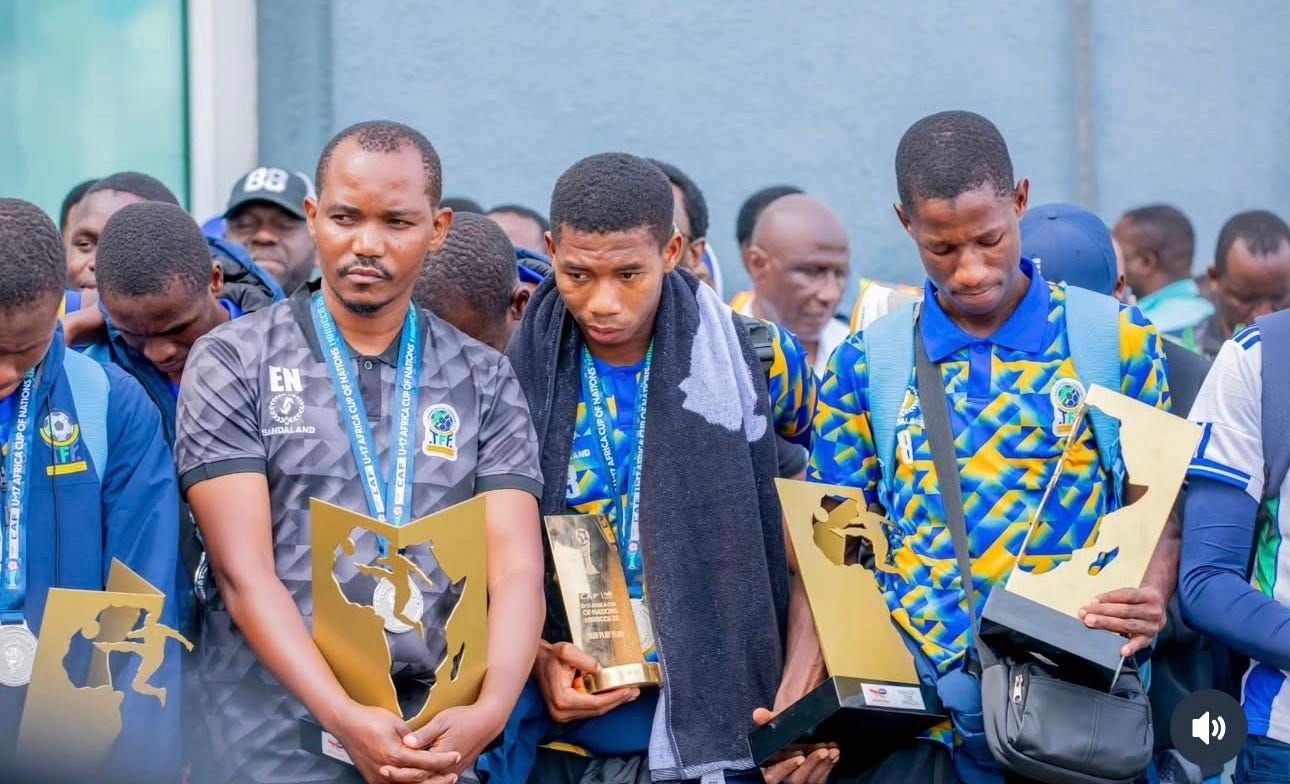
Circling back to the initial point, he’s thirty nine so there should be a few cues conductive to accurately second guess who’s a coach and who is indeed a player.


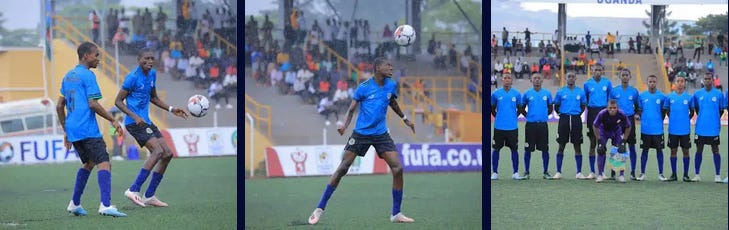
There will always be outliers, that’s why they play the sport and are screened because they’ll make their team win more games. In that sense, someone good at football will always get places.
Some players in Academies all over the world are extremely tall and agile for their age, this is why they’ve been signed in the first place.
But they also deserve to not have their age questioned on the basis that they’re no right to be that tall already. That’s why you were picked last at P.E.
It’s a fallacy to think this happens “only in Africa”.
Happens in Europe, South America and probably elsewhere too.
Up to the point competitions are scrutinised enough that these players are released at U16 Regional level and end up playing Senior level straightaway.
No one in a top club will buy your 26 year old U17 Top Scorer, so the short term gain to statpad on the short term will have very little returns.
Competition prize money was around a quarter of a million for the CAF Afrcan Schools Football Championship, ringfenced for non-professional football

But 300k is akin to a month wages in a top European League (50k a week in Premier League, rule of thumb), which is worth jackshit (bar alienating the talent pool) compared to an actual talent pathway that gets the National Team to compete and players explore other more high profile market to compete in African, Asian or European club Champions League.
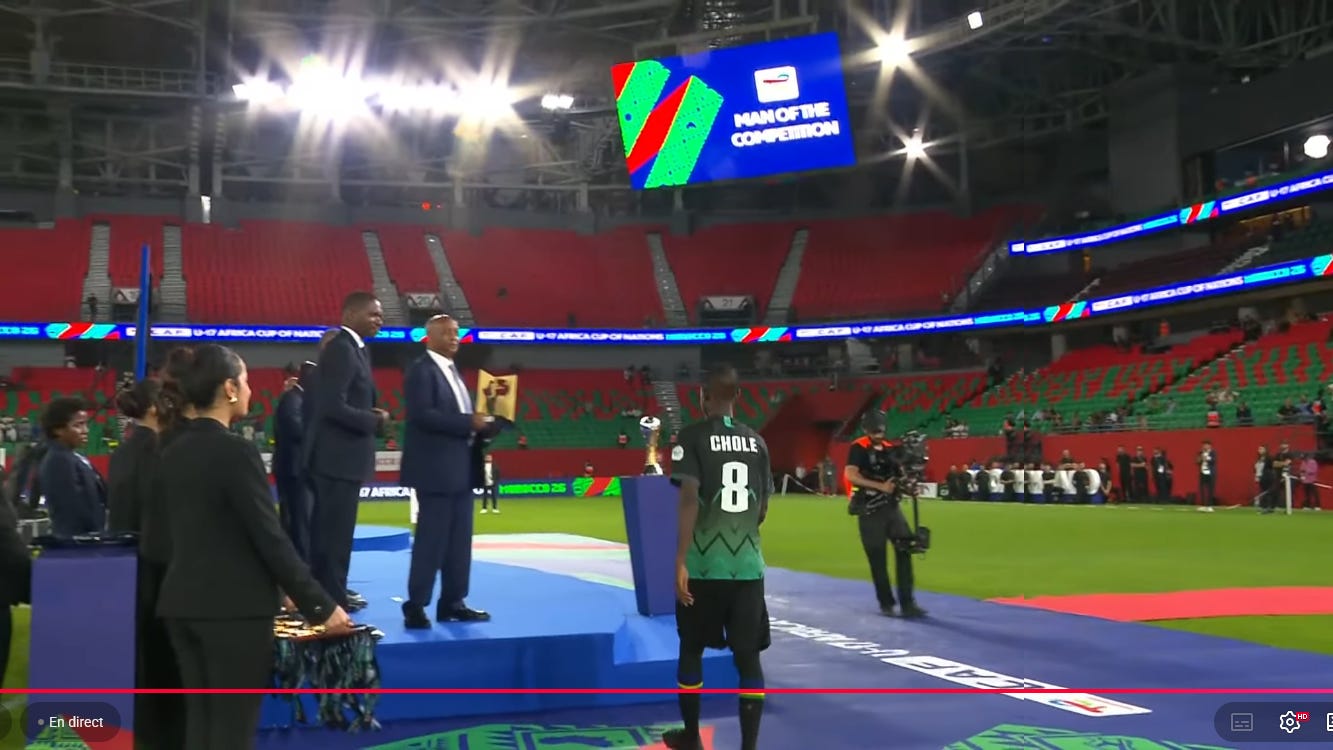
From a player opportunity standpoint,
There’s always a trailblazer, because the football industry is full of illiterate executives led by gut feeling. Even those who back themselves with Academic credentials end up taking gut decisions, and the good (conjunctural) decisions end up being the ones ought to be taken. People who make decisions go further in that industry that people who don’t, somewhat. Even if it’s only just about parroting the smart semi viral tweet, or the loudmouth who stopped talking last.
There’s few frameworks, case studies or methods to decide now is the time to get going. So anyone’s timing is the right one granted people have elements to back their decision making. To dare is to do.
Another thing which is comical to observe is how clubs always end up copying each other once a club gets success with let’s say Portuguese coaches, Ecuadorian players, Zambian attackers etc… then everyone follows suit based on the most obvious criteria (not even ; who actually matches what we need).
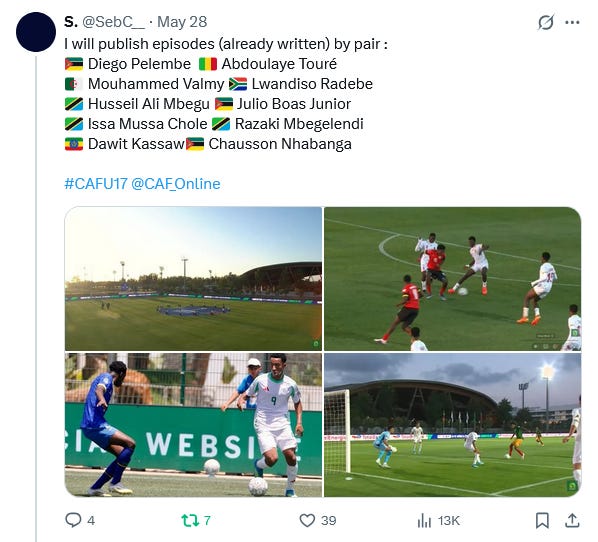
That was my timeline on May 28 :
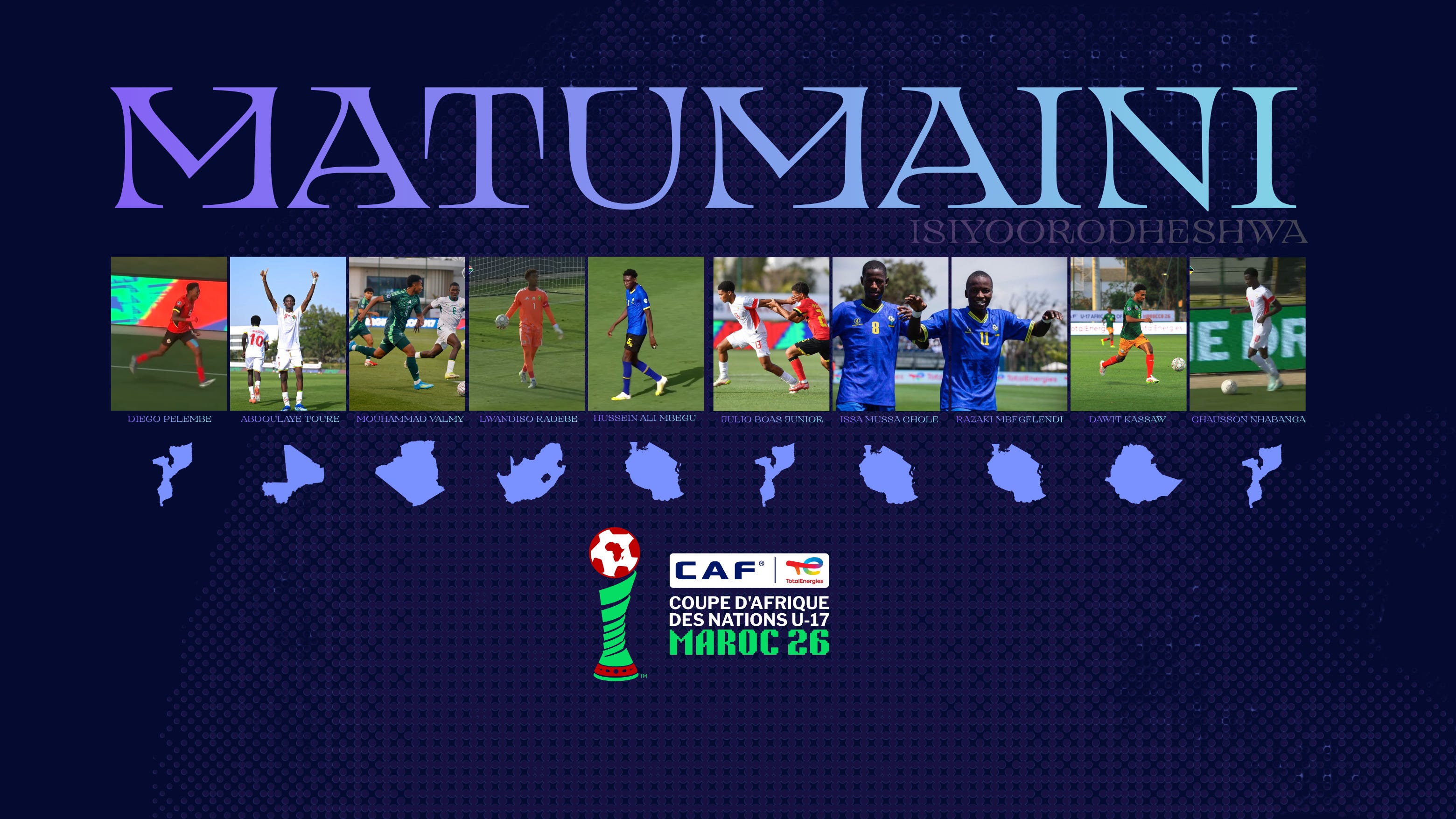
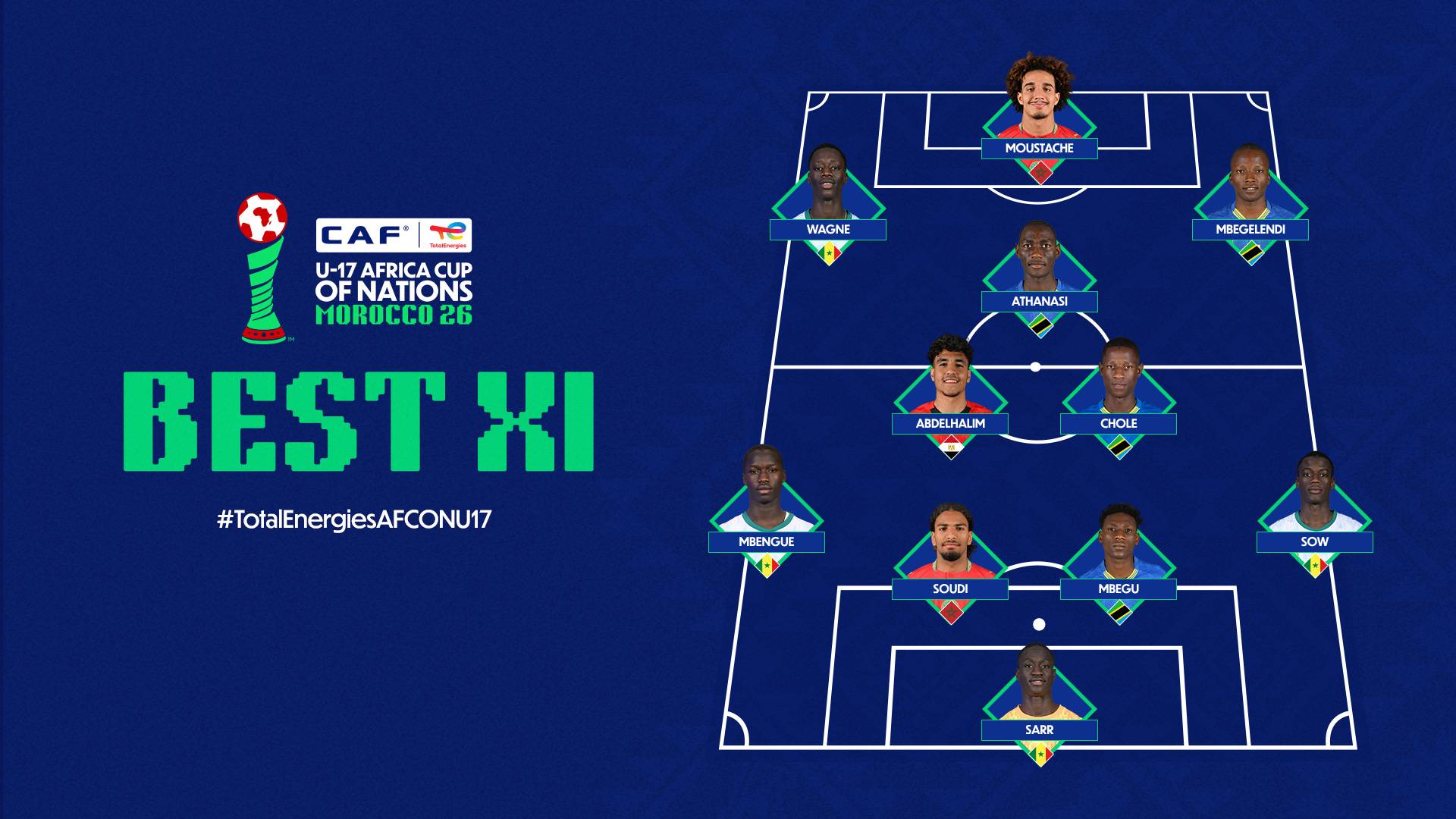
Ultimately, the CAF U-17 AFCON Morocco 2026 Best XI had four Tanzania players including three I shortlisted.
Once idiot 1 realises that “well actually they can play football over there” and idiot 2 follows suit, more will follow and stop kicking dead horses on the “old continent” with washed up academy squad players, who were making the numbers because cheap and local ; and or managed by big agents (somewhat) and forcefed through sporting directors on speed dial.
A mediocre player managed by a big agent is a cash cow, that’s a mis-use of the system. Not because they’re not entitled to get a big agent ; but clubs should have more internal (club) and external (league) filters to prevent brazenly replacing their own academy players, with someone else’s squad filling fodder so that six digit “performance bonuses” and “transfer commissions” make everyone richer bar football clubs.
Creating value means acknowledging there is talent, anywhere and everywhere.
English Football League clubs who sign a player from a nation hardly represented during finals, can get millions of followers : global interest, which means leeway in commercial negociations with audience numbers, and priorized prime TV slots.
Premier League expanded in the 1990s and French players were the TV screen idols for a generation : Cantona, Ginola, Henry are the reason someone born after 1980s will be a Premier League addict (and unfortunately Arsènal fan in many cases). Tottenham Hotspur signed every American between 2010 and 2020 : Clint Dempsey, Brad Friedel, DeAndre Yedlin.
For sure, this can be read in many ways : the rainfalls will benefit those who actually expand their world and their audience.
And for once, the ones screaming with a stick at clouds to beg for more TV righs (and actually sue the league in court because it’s not fair) aren’t located between Burundi and Tanzania but way closer to the good old Europe.
Don’t shut down Academy programs to put more dough on your first team because when the dough runs out, it’s also because you run out of players to sell.
Grounds to compare hold caveats, but I’ve had to fight over impostor’s syndrome when I saw some of the players I coached. “Surely I can’t be the only one who sees it” vs “there must be better players elsewhere”. Turns out, they were worth making decisions and contributing to create pathways to let their quality talk.
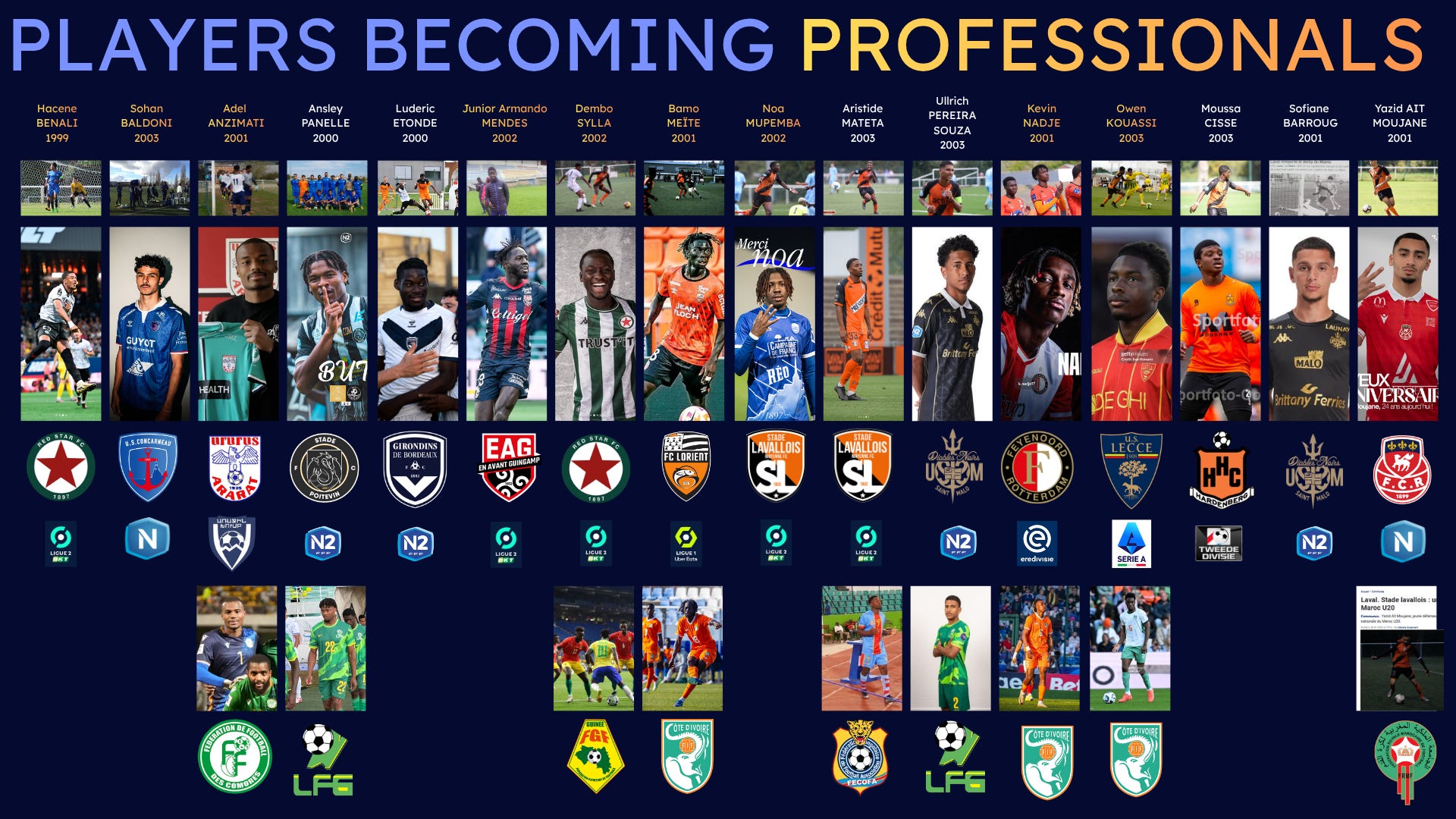
There’s an extremely amusing trend occuring all across the world, whilst European Football continues eating itself from the inside (1.36 billion in agent commissions in 2025 - and Academy Graduates treated as “pure profit”) whilst teams shut down their U21s / Academy programme and whatot.
Birmingham City did it, Accringron Stanley did it, Nimes Olympique did it, Niort did it. Textor’s OL wanted to shut down the best Academy in the county below U15s after hiring every twitter coach and scout to score PR points.
These clubs either ceased to exist, almost ran out of business or pivoted back to what works.


Whilst African Academies keep structuring themselves and produce players who apparently fit their top leagues just alright.
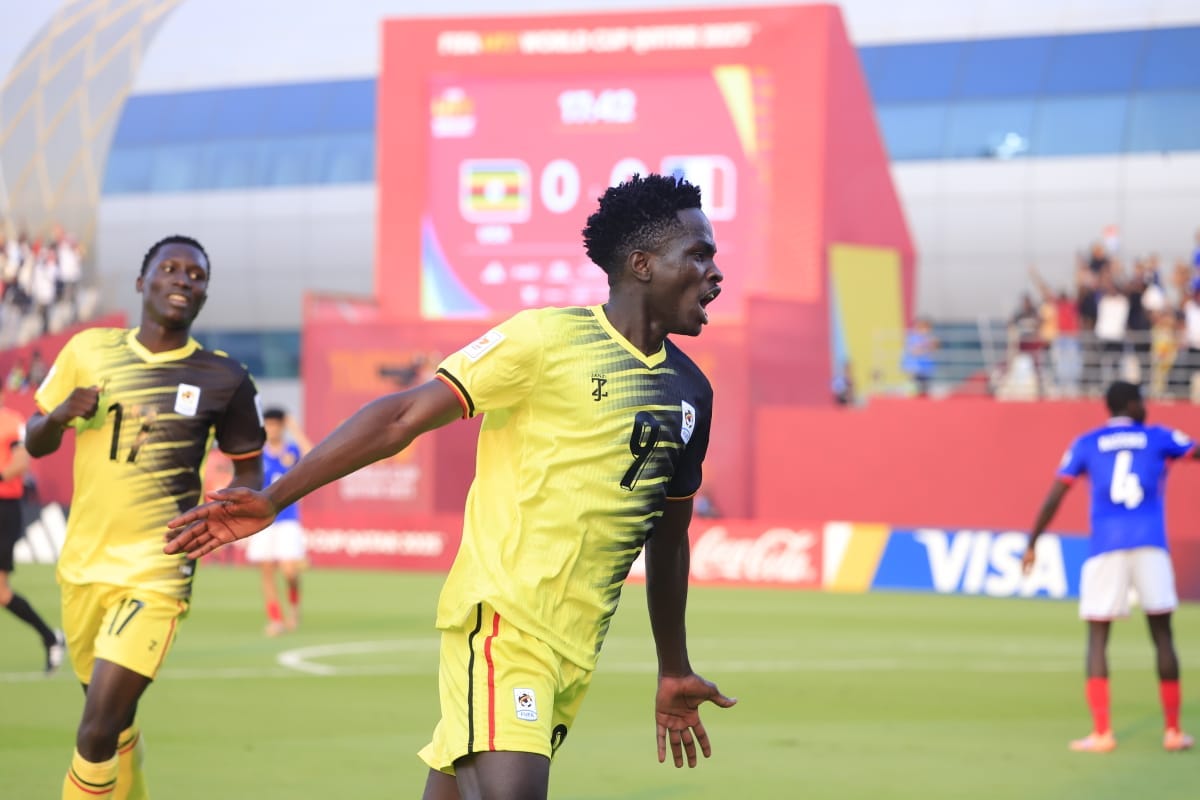
With a lot of good programs, support and interest, FIFA Nations are catching up.
There’s different models : private coaching companies, satellite clubs. Both are doing a mission which is worth attention, if it isn’t seen as a modern day supermarket to land players on Belgian or French club’s doorstep to land a dodgy agent a fat paycheck with or without an actual football trial.
If there’s an actual effort to provide facilities and education, then putting the money where the mouth is, is always more difficult than running one’s mouth.
Ideally, the FIFA TDS aims at strengthening the existing national syllabus so that capable locals eventually take over high profile positions within federations.
Some washed up grifter LinkedIn coach with “FC Barcelona Summer Camp” or “I’m selling webinars during the pandemic” might not be the outstanding candidate anymore, if clubs are actually looking at track record, competence and achievements.
More confrontations between clubs / national teams will contribute to get stakeholders working on par with the rainfall of TV / Commercial money they bathe in. Because they’ll end up losing games and credibility.
I’m personally absolutely in favour of expanded 48 or 64 teams tournaments. There’s roughly 180 functioning Football Associations, sticking to 16-32 seems really limiting to me.
If you’re concerned your players are tired, don’t call 25 but call 40 : surely you have enough in your talent pool to overcome Djibouti and then get the “good players” to play the second phase / finals.
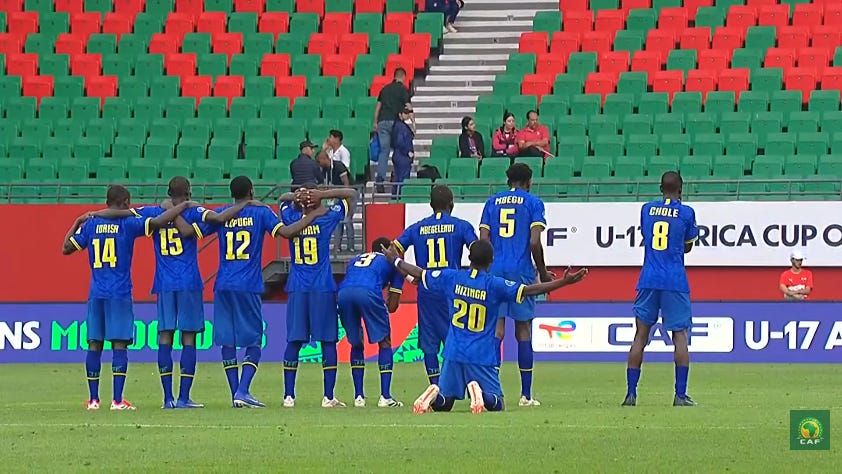
if anything I’ll continue keeping an eye on these National Team set ups, and see how many end up making a move to bigger clubs on their or in a different continent.
It will be wortk keeping an eye on players who will continue their journey.
Diego Pelembe plays for Black Bulls Maputo, where he made his first team debut (alongside Chausson Nhabanga)


Abdoulaye Touré - I haven’t found his club online, we’ll know when Watford inevitably sign him.
Mouhammad Valmy plays for Stade Rennais Academy sides.
Lwandiso Radebe has moved from SuperSport United, the Matsatsantsa youth structures from the SuperSport Soccer Schools program - as reported by iDiskiTimes to Mamelodi Sundowns, the biggest club in South Africa who recently won the 2026 CAF Champions League, owned and funded by all-powerful billionnaire and CAF Preseident Patrice Motsepe.


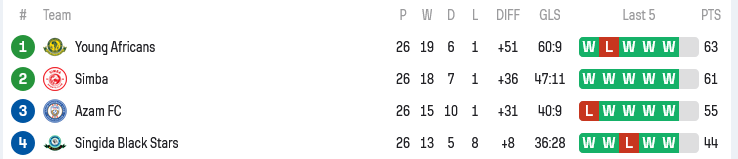
Hussein Ali Mbegu plays for Simba SC, currently 2nd in Tanzania Premier League trying to close the gap with Young Africans with four games to go
He was welcomed back by his team mates and was on the bench this week end without coming on


I’ll see if I push it to watch a bit of Tanzanian Premier League in the next few weeks. If Mbegu starts one of the next few games I’ll definitely do
I see the second division is available on FIFA+ and yes I tried to watch a few games in the background on my tablet. The resource is free but given I don’t see the giraffe clearly advertised on the logo I’ll ask for a refund somehow.


You can watch any Domestic Top Division game on FIFA+ that don’t have a broadcaster, well, now the platform has kinda been moved to DAZN’s


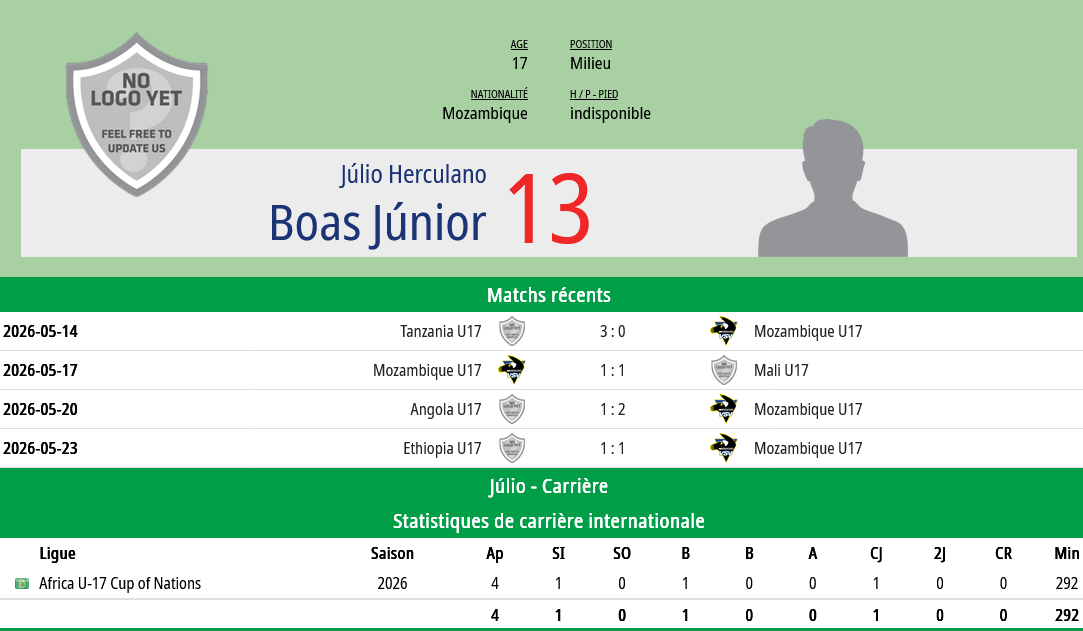
Julio Boas Junior from Mozambique, I wasn’t able to fetch the club he’s playing for
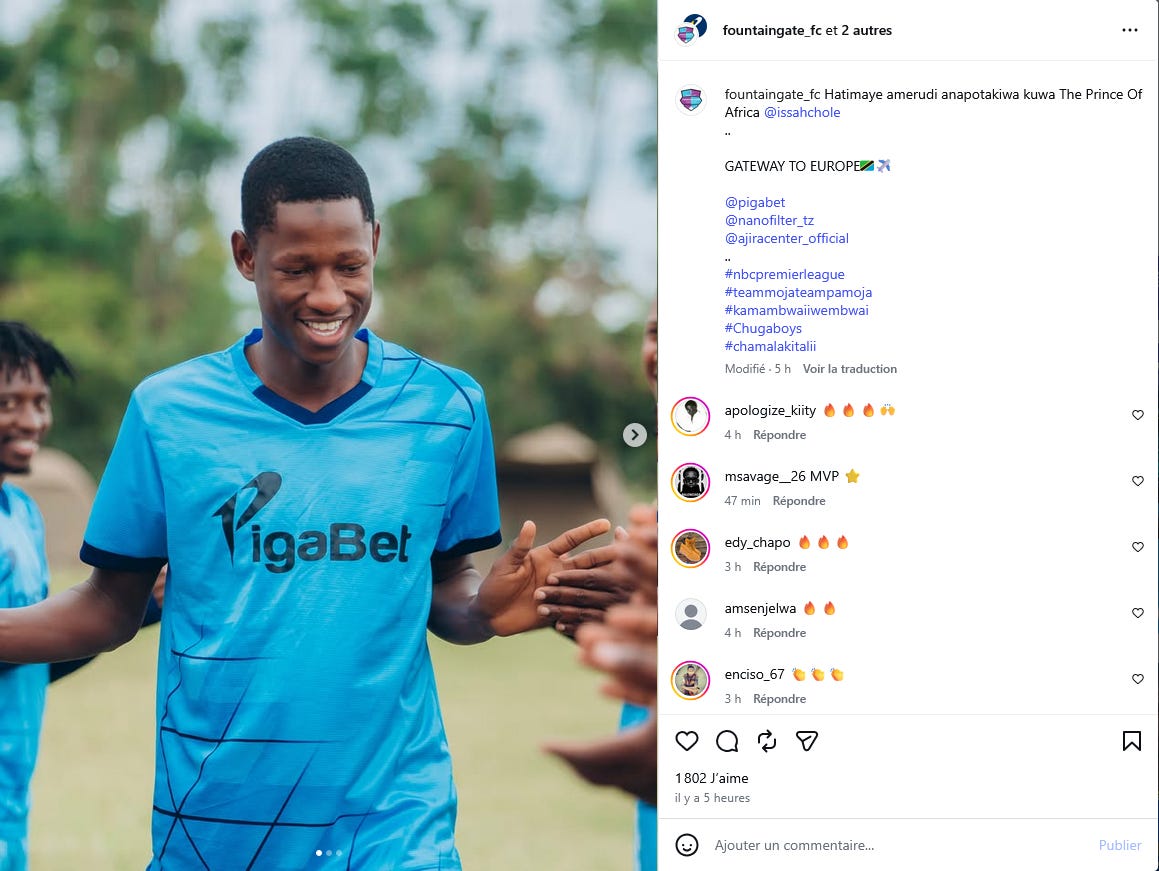
Mussa Chole plays for Fountain Gate FC in Tanzania’s Premier League, and went through their Elite Talent Program
Razaki Juma Mbegelendi is listed as a TFF Talent Development Squad player, just like Saadam Hussein Hamis


Dawit Kassaw plays for Sheger Ketema in Ethiopia First Division